
About this Podcast:
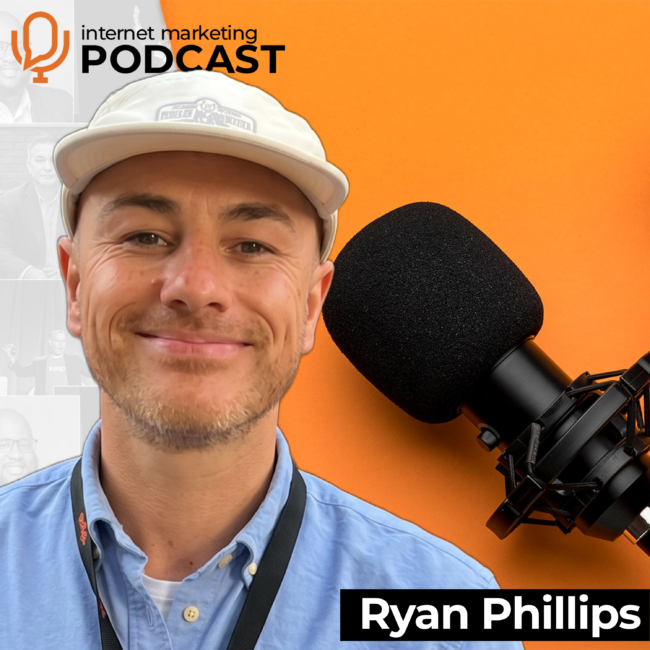
Today’s guest is Ryan Phillips, an entrepreneur, software creator, and founder of Success Publishing. Ryan started his journey as a full-time martial arts instructor before going on to build a seven-figure online business with successful products, including elite smartphone video and the interactive video platform Interactr.
Episode Transcript:
Editor:
Today's guest is Ryan Phillips, an entrepreneur, software creator, and founder of Success Publishing. Ryan started his journey as a full-time martial arts instructor before going on to build a seven-figure online business with successful products, including elite smartphone video and the interactive video platform Interactr. Ryan, it is great to have you with us.Ryan Phillips:
Pleasure to be here.Editor:
Could we start with when you were a martial arts instructor and how did you go from doing that full-time to building your own online business?Ryan Phillips:
I'll give you the medium answer because the long answer is pretty long and the short answer is, it's just a fun thing to do. So the medium is, I used to teach martial arts full-time up until I was 27. I'm 40 now. And every year, our instructor dojos, we had four or five different martial arts dojos around the Midlands, we would all have the Christmas party. So we'd do something cool in the day, go-karting, paintballing, something like that. We'd always go to Frankie and Benny's for a meal after for the guys who were listening from the UK. Then all of the older guys would go home and all of us younger guys would go out and have a Christmas [bleep 00:01:12], for want of a better word. Basically, our USP for our martial arts school was, instead of becoming a black belt at kicking and punching, it was, become a black belt in life. So 80% of our students were kids who normally come to martial arts because the parents want them to have more confidence or more self-control.Ryan Phillips:
For our syllabus it was like, how to make friends, how to set goals, how to learn how to concentrate? It was very much a personal development kind of programme that was delivered through the vehicle of martial arts, if that makes sense. Our head instructor, a guy called John Jepsen, he was having business and life coaching. So on our Monday morning meetings, he would be sharing the stuff he was learning and incorporating it into the syllabus. And that year, all of us younger instructors, we were like, "Oh, for the fun thing we do at Christmas, we just want a session with your life and business coach, Ina. She sounds amazing, like superwoman, let's have a session with her." We had this half day with her, and one of the things that we did is find out what our internal value structure is. So me being a young man at the time, I thought what I valued was money, respect, power, all of the [bleep 00:02:28] that doesn't matter, but as a young man you think it does matter.Ryan Phillips:
Turns out during this exercise, I find out that my internal values at the time were adventure, excitement, growth, contribution, and so on and so on. She actually said to me, she said, "Ryan, I know you're about to open ..." I was about to open a martial arts school in Coalfield, a full-time gym as a partnership with my instructor. She said she thinks one of two things would happen. Either I would end up having a successful martial arts school, but I'd be unfulfilled and unhappy and I wouldn't really know why ... well, it'd be because my internal values were in conflict, or I would start the martial arts school and end up self-sabotaging later on down the line. So I was like, oh damn, so if I'm not going to be a martial arts instructor, what am I going to do? In my head, that's all I was ever going to do for my whole life. I'm 27 at the time now. I was like, maybe it's true, maybe it's not, so I back-tested it.Ryan Phillips:
Because on the side of martial arts, I did break dancing ... I used to do a lot of physical stuff. I was three times world and nine times national champion with the WKA with martial arts. Then with breakdance, our crew, Trinity Warriors from Darby, we represented the UK in a lot of international and world championship battles because we were the best crew in the UK for a couple of years. So if I'm into something, I'm like, I'm into it. I remember, my martial arts instructor used to say to me for years, Ryan, you're a good instructor. Let's make some money. Let's open a martial arts school. Let's get serious." I would always tell him no, because I just like going and doing my breakdance battles, my breakdance shows, travelled all over the world doing that. It made sense to me. If money, respect, et cetera, was higher values than adventure and excitement, when he would have asked me to open the martial arts school, I would have snapped his hand off, "Yeah, let's do it."Ryan Phillips:
But because it made sense, oh, that's why I was happy living at home with my grandparents earning 800 pound a month as a 27-year-old man, couldn't even afford my own place, because my values were different; adventure, excitement, growth, contribution. I already had those needs met. I was like, "So what am I going to do if I'm not going to be a martial arts instructor?" I was looking for jobs online, and then eventually I figured out that the thing that's going to allow me to have the things I want ... time freedom, location, independence, eventually financial freedom so I could actualize my internal values, was having an online business. So that's how I got into the online business game. My goal initially was to make 2,000 pounds per month because that would be double the amount of money I ever earned before, and it allowed me to just breakdance every day. That's all I was interested in.Ryan Phillips:
Turns out ... that was my 12-month goal, 12 months later, I've made no money. I'm more broke than I've ever been and I'm working eight hours, 10 hours a day trying to get this online business thing to work as it happens. A couple of years later, I'm starting to get to grips with it. I'm starting to have enough money that it makes me a full-time income, not a high income, but just enough to cover the bills. By that time, online business became more fun than breakdancing and martial arts. That's when I started doing it more of a full-time thing. But that's probably a long, not medium but a long story of how I went from a martial arts instructor to getting into this online business game.Editor:
It's fascinating, I mean, that transition from something totally unrelated to something that actually now is your bread and butter, if you like. Was there a moment when you realised, or can you remember the moment when you realised, hang on a minute, this online business thing might actually work?Ryan Phillips:
Yeah. I had a coach from the UK called Alex Jeffries, and I invested all the money in my savings account ... I think it was like 1,500 pound that I was saving up to pay off a loan, that I took out to become a full-time martial arts instructor. The very first 30 days I made my first money online, I was building, I had a weight loss, fat loss product. So I did a lot of things with nutrition and whatever through martial arts and dancing. I was in tip-top shape. I used to compete a lot. His advice to me was, "Build a blog," so I built a blog. Then he was like, "Create a freebie to build a list." Did that. Then I was like, "My goal was to make money in the first 30 days. I've not made anything. What shall I do?" He says, "Promote an affiliate product to your list." So there was a thing called ClickBank and there was a product called Mike Geary's Truth About Six-Pack Abs.Ryan Phillips:
It's a PDF book. I promoted it, no one bought it. But when you go to click off the page ... Do you know the scammy pop-ups? It's like, hey, don't leave yet. You can have the product for $1 as a trial. Someone did that and I made $1 or 50 cents. I think it was 50% commission or something. I was like, this works. I've actually, it's like a dollar or 50 cents or whatever. They never ended up re-billing the $37 or whatever it cost for the ebook. But it did work and that was like, okay, I can understand that this does work. Then I went through, again, a year or two of failing miserably, and then I started to get my head around it and started actually making little bits of money or whatever.Editor:
Do you think those early failures spurred you on, or did they make you think, actually this will never work, I'm going to quit, I'm going to do something else?Ryan Phillips:
No. No, I don't think so. I think you have to make a decision of where you're going to get to and you have to stick to that. I think that's the only way of doing it. I think getting early successes, of course it helps, but I would not recommend anyone to bet on that because the likelihood is, you're not going to get any early successes. Or depending on what the success metric is, if it's to make money, like what mine was at the time, you probably get disheartened and demotivated. But if your goal is, I just want to do the tasks that eventually are going to make money, I think that'll be okay. For me, everything that I did prior ... I say everything, the two things that I did prior, martial arts and breakdancing, both of those things require loads of time, work, effort, sacrifice and energy for years to get good at before you start seeing any results. It was kind of inbuilt in me, I guess. I also, when I first started out, I know there was people making money online.Ryan Phillips:
So for me it's like, if that person can do it and he's not Elon Musk ... he's got two arms and two legs, he's a normal person, there's no reason why I can't do it as long as I stick with it for long enough. And funny enough, like I said about the martial arts, one of the things that the kids had to do for their yellow belts ... the second belt they had grade for, they had to do a thing called the ultimate success formula that my instructor nicked from Anthony Robbins. We made the kids do all these impressions. So we would shout to them, "The ultimate success formula," and all the kids would say, "Know what you want. Have a plan. Have a success coach. Take consistent action. Review your progress. Renew your goals." Then they'd put their hands on their hips and they'd go, "Yeah." And that's one of the things they had to learn for that, to get their yellow belt.Ryan Phillips:
One of the things that we'd talk about at the end of the class in what we used to call map chats is, we would say, "The only thing, once you've learned that, you never change your goal. All you do is, you change your plan." And that always was ingrained in me because I used to teach it, so I was like, okay, this is the plan that I'm going to use to get to where I want to get to. It's not working. Of course, I'm not going to change the goal because you lose then, so I just would change the plan. Just for me, I would change the plan a lot because I kept failing. But then also, failing is the thing that creates success. You have to fail forwards fast. The problem that people have is, when they're on that journey of getting where they want to get to ... whether it's to lose weight, to make money, to build a company, whatever it is, they start to fail. In their head, whether it's subconscious or conscious, they see it as a negative thing. They don't see it as part of the game.Ryan Phillips:
So when they experience those negative emotions, it might be ... what negative emotions do you feel with an online business? Rejection, overwhelm, frustration, feeling of not good enough, unworthy. Most of the times when you feel one of these negative emotions, you feel several of them. As humans, we're comfort-centric creatures so when we feel a negative emotion, we naturally go, this is a bad thing. I don't like the feeling of this. I'm going to go and do something else. So what happens because of that, because they don't understand that from the get-go, they experience negative emotions, it knocks them off the path. They go and start something else. Negative self-talk creeps in. They start saying, "I'm not cut out for this. I'm not good enough. This isn't for me. I'm going to go and do this instead." But guess what? The pattern repeats itself because the pattern is the same for anything. Don't matter if you're doing martial arts, breakdance or online business, you're going to fail. You're going to fail a lot.Ryan Phillips:
So when you understand, that's part of the game and it's part of the journey and it's fine and you don't judge yourself from that, you're more in allowance and you can keep going when the fail has come and that's what you have to do ultimately to achieve your goals.Editor:
You talk about moving forward and changing the plan, not changing the goal. You did exactly that, Ryan. Because from that early 50 cent commission on the weight loss book, you then moved into software. How did that happen? How did that transition happen?Ryan Phillips:
Well, before the health and fitness blog, I tried to sell breakdance DVDs, failed at that. Then it was a health and fitness blog, that didn't make any money. Then I created a fat loss ebook called the Rapid Fat Loss Diet. That's when I started making money because I was running Facebook ads to my sales funnel, and I was making between $50 and $100 per day. The ad spend was really low. It wasn't consistent numbers. Sometimes someone would buy an upsell and it would put it over $100. So it wasn't enough to have a full-time income. But basically, I had an accountability partner called Nick Farina, who was a postman. I think he's still a postman now actually. I was sick and tired of not knowing how to scale my little fat loss ebook. So I said, "I'm going to start selling high-ticket one-on-one coaching for a $1,000. I'm done with this $27 stuff." In my head, I thought I needed to look like an expert and I needed to have good-quality videos so I could be positioned in the right way if I'm going to ask for more money.Ryan Phillips:
I couldn't afford a camera at the time, so I started making videos with my phone for my blog and my sequence that was going to get people to buy my high-ticket fat loss coaching thing. My mate Nick, because we get on a call once a week, he was like, "Oh mate, these videos that you made look pretty cool. How are you making them?" I was like, "I just used my phone." So he said to me, "Let's launch a product for entrepreneurs or people like us about how to make good-quality videos with your phone." So we launched that. It was called Elite Smartphone Video, and it was a [bleep 00:14:07] product, but we put it together. We just copied what we saw on YouTube for how to make a video with your phone. We packaged it up, did everything wrong but we made $8,000 in sales that week, which was the most money I ever made. Now it was a JV launch, so we made $8,000 gross revenue top line, but 50% went to affiliates. We put $1,000 as prize money or whatever, so then our gross profit was a lot less than that.Ryan Phillips:
Then me and Nick split the profit after. So my net at the end of the day, the bottom line, I might have made a grand and a half or something out of the 8K top line. But again, for me, it was the most money I've ever made and it proved that this works. So I was like, okay, screw the health and fitness niche, I'm going to start selling products to entrepreneurs that want to make money online. So then what we said is, "Hey, Nick, you create your own products. I'm going to create my own product. We've got an email list of buyers now. We can promote each other's product to each other. We can fix the problems of all the things we did wrong on the last one." Nick never ended up launching that second product, I did. I think I made $32,000 on that launch in the week, but again, it's probably 30, 40% net margin on that. And then I just went on to, I launched a couple of extra products all centred around video.Ryan Phillips:
One of my old friends from school called Chris messaged me ... because by this time I was earning a full-time income online and Chris messaged me saying, I'm a developer. I've got a few software apps. I don't know how to market them. I hate marketing and sales, can you meet up with me and give me some advice? So I was like, yeah, take me out to dinner, you cover the cost and I'll tell you everything I know. He took me to Burger King on a services on the motorway, the cheap [bleep 00:15:55]. Anyway, he showed me the software. I thought the quality was really good, so I said, "What's the goal?" He said he wants to make more money. I asked him a couple of other questions, knowing, "What are your values, what do you want to do?" It turns out he didn't want to make more money. He'd be happy making the amount of money he was already making, but just having more time freedom.Ryan Phillips:
So I said, "If you just scrap all this ... or do it in your spare time, but if you just make the software that I want to build, I'll just launch it. We'll split the money 50/50." He agrees. I convinced him to quit his job before the launch because I was confident we'd make a decent amount of money. We made, I think it was 150K in the, I say launch week, it was like a launch five days. Our net profit on that was enough for him to ... he bought a new car, he took his family on holiday, and he was like, "I want to do this again. That was amazing." I said, "Well, let's put together a proper company. You create the software that I want you to create, I do the marketing and sales." We ended up selling, I think it was like $8 million of Interactr so far. We're just about to launch a new version, but I'm the sole business owner now. It's just going to be through me. He's doing some other stuff. Yeah, that's how that went. We've launched a couple of softwares.Ryan Phillips:
Then our customers ... because our customers mainly were buying our Interactr video software to get more conversions and really to grow their business, they saw what we were doing with our software company and they were asking, how are we driving traffic? How are we increasing the lifetime value? How are we making sure that when we're paying for Facebook ads, we're getting a 2x ROAS on the ad spend? They was asking us all these business questions, so I started doing a couple of consulting or coaching programme stuff. So now I've got the software side of the business, where we've got a new software launching soon and relaunching Interactr. And then I've got, I guess you could call it a course or coaching side ... which I know has a real negative connotation to it, but we have products that teach people how to drive traffic to an offer to make money basically, because that's all I've ever done. So that's how the journey is weaved into different products, different things, moving from one thing to another, pivoting. Yeah, I think that answers the question.Editor:
Yeah. No, it does. In terms of the software that you've created, you mentioned Interactr, maybe you could tell us a little bit about it, what it does and how it can benefit people.Ryan Phillips:
Yeah. It's just a software that allows people to create clickable branching video. So what that basically means is, people can click on the video and it goes down a different path. I think the most popular version of it was, there was a Netflix series called Black Mirror, and they had an episode called Bandersnatch where they did the same thing. Or probably an even better thing is the old children's books where it's like, choose your own adventure stories. That's what we do with video. The idea behind it is, everyone knows that video converts more than not having video as a sales process. Everyone knows that speaking to people one-on-one converts more than a video, but that's hard to do at scale. So if you want to sell from your website, it's better to have a video on there. The problem with video is, there's only two ways that you can do it. You can either do one size fits all, where you try and encompass everybody in the video ... which is great, you'll still make better results than if you didn't have it, but it's not going to be optimal.Ryan Phillips:
Or the other way you can go is, you can just talk to one segment of your market, but if you talk to one segment of your market ... if you were talking to, I don't know, women that want to lose weight, well, there's a lot of men that want to lose weight as well. If your product can help both men and women lose weight, you're alienating a big segment of your market. With Interactr, you can dynamically ask questions inside the video, so you can speak directly to both sides. So that was the premise behind it and we tested it. It out-converts normal video. So really, if you want to get higher conversions on your call to actions with your videos, Interactr is a good tool to use. But since then, we've had universities buy it, people that have training companies, recruitment companies, big Fortune 500 companies that are doing a big hiring campaign. They're trying to attract talent and they want to make sure it fits their company value and culture, so they have fun story-based branching videos where you can only get through to the application if you answer the questions correctly.Ryan Phillips:
There's loads of use cases, but really the use cases, we built it because I wanted to make an Interactr video for one of my products that I was launching, and the only company at the time was a company called Rapt Media ... they have been acquired by Kaltura now for a lot of money, and their lowest plan was $10,000 per year. I was like, "Oh, I can't afford that. All the entrepreneurs that I know can't afford that." So I wanted to just recreate that software, but have it for entrepreneurs and small business owners, so that's what we did. And that's what I do with all of my products, I just look at what's already working and just copy it basically. I'd recommend everyone else to do the same. Look at something, look at what you can add to make it better, and just do that. Like the Apple iPhone thingamajig-y, the big Apple launch was the other day, and they've got their new clam phone, the phone that you can open and close. It's like, Samsung did that, what, a year or two ago? Better than what Apple are doing it now.Ryan Phillips:
So it's like, look at what's already working and what's already selling, copy it, but don't just copy it exactly. Look at, what can I do to add value? That's how I think the best way of doing business is. Until you get to a huge massive level where you're a company like Samsung or Apple, then you can innovate and you can create, but it's a lot harder to do that without knowing if the market's going to respond well. It's much easier to go, actually, I know this company does four million a year selling this product, I can replicate that, go after the same market, but instead of competing on price or competing on some of the things that I think in my head, this product is going to be good, just copy exactly what they do and compete on value and then the market will decide who's best buy what they buy. So my next software is a software called Publish. It's an ebook creation software essentially, but I know the company that we're modelling and going after does four million a year with YouTube ads.Ryan Phillips:
They re-target with Facebook ads. The front end product is $27. They've got a bunch of upsells in their funnel. We've just basically taken everything that you have to pay extra for with them, thrown it in the front end of ours. We're going to go at the market at the same price. You're more likely to get a bullseye than not when you throw your dart into the board if you're already modelling something that's already worked ... it's already proven, there's already buyers there, rather than making something from scratch. That was the idea behind Interactr, and yeah, that's what Interactr does. And that's what I do with all of my products, I just look at what's working, how can we make that better and add more value? Okay, let's take that to the marketplace and see how much of a segment in the market we can move over to our thing.Editor:
It's interesting because you've sold software, you've sold digital products, you've worked with affiliates. What do you think really makes an offer take off? Are there any tips you could share? What is in the Ryan Phillips playbook?Ryan Phillips:
What makes an offer take off? It's a good question. You have to do one or two things essentially, in my opinion. You either need to solve a painful problem that a lot of people have ... so a lot of people, let's call it a niche or a niche for the American listeners, solve a painful problem that the people have, or provide the solution to a powerful desire that people have. It's either one of those two things. So an example would be, one of my mates ... Jordan actually, he created the design, the Interactr logo. He was a gymnastics coach. I met him through martial arts, known him for years. He was earning about the same as me, let's say a grand a month, still living with his parents, not enough to get your own place. But he loved doing the gymnastics stuff, like I loved doing the martial arts stuff at the time. He said that he wanted to create an online business. Now, if you're looking at what product should you create, what offer should you create, what niche should you choose?Ryan Phillips:
What a lot of people will tell you is, you want to target rich people or people that have got money. You want to make sure that you're solving a painful problem. Jordan did a thing called martial arts tricking, which is basically jumping, spinning, flipping martial arts kicks. It's like a mix of gymnastics and martial arts. The only people that do tricking are sweaty teenage boys that have got no money. There's some 20-year-olds who do it now, but that's what the market is. So if he would have gone, oh, I want to create an online income, I need to target people that have got a painful problem, that have got money to solve that problem, or whatever, he wouldn't have even started his business. He created a nine pound 99, so let's say 10 quid, 10-pound-a-month tricking website. Now, you can get all tricking tutorials for free on YouTube. You've been able to for years. In his first 12 months, he got that to 15, so one, five, 15,000 pounds per month. It's called Kojos Trick Lab, it's still going on now.Ryan Phillips:
He created a 15-grand-a-month income with huge profit margins, not because he solved a painful problem, not because he was selling to rich people. So what he did is, he provided the solution to a powerful desire that people have. The people that were into tricking are super passionate about tricking, so he just provided the solution to the desire they had. Just like if you were selling a bloody Harry Potter wand, you're not solving a painful problem that Harry Potter lovers have, but you're providing those people, the Harry Potter fans ... fans probably ain't even the word. That's like bloody cultists. My mate, Danny, he lives in America, he's got a Harry Potter tattoo on his arm. He loves it. So it's like, you don't have to create an offer that solves a pain point for a certain niche, as long as you're ... I still think that is valuable, that does work.Ryan Phillips:
So if you're creating an offer and you're looking to put something together in order to make money, I would say, either solve a painful problem that a group of people have or provide the solution to a powerful desire that a group of people have. The quickest and easiest way to do that ... there's two ways. There's one that I think is better. Two ways are, number one, you just look at yourself, what's the painful problem that you have or what's a powerful desire that you have? Because there's probably going to be other people that have that. That's one way. Or you can just look at what's already selling in the marketplace and go, can I create something that's better than that or different than that, that solves a problem? If you are creating a PDF or an ebook that you want to sell on Amazon, for example, you can look through the reviews.Ryan Phillips:
And if it's the keto diet book that you're thinking about creating, if 20%, 30% of the reviews are from women that are saying, I wish there was a book like this that was specifically to women that talks about our hormones, it's like, ah, this book's already doing X amount per month. I can create the same thing and here's a little angle or here's something I can do to add value and compete on that. So I would say, look at what's already working and just copy it and look for ways how you can add value, or just solve a problem that you've already got or provide a solution to a desire that you already have and then see if anyone else wants it.Editor:
Well, Ryan, it's been an absolute pleasure to meet you today and have a chat. Where's the best place for people to find out more about you and what you're working on?Ryan Phillips:
Instagram, I would say. I've got a business Instagram for one of my products that I sell, that teaches people how to do affiliate marketing. So that's Ryan Phillips HQ on Instagram. Or I've got a personal Instagram that's ryanphillips.life. I just have it so I can review it at the end of the year and look back at the magic moments on New Year's Eve and have it as a bit of a memory thing. I've got team members that manage the business Instagram, but I do share some information on there. But if anyone wants to reach out or have a chat or whatever, they can just message me on my personal Instagram. It's the only social that I actually check and actually reply to. Yeah.Editor:
That's amazing. Ryan, thanks so much for your time today. It's been an absolute pleasure.Ryan Phillips:
Hey, no worries, man. Thank you.
Meet your hosts:
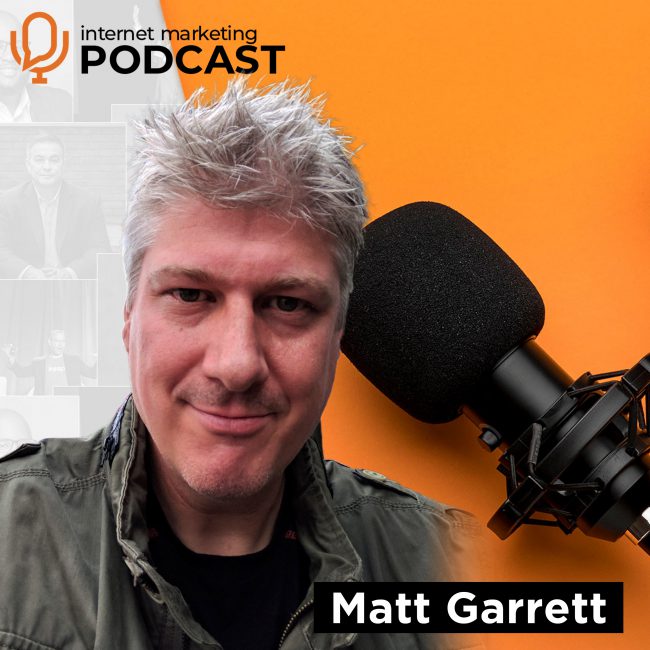
Episode 137
Matt Garrett Interview
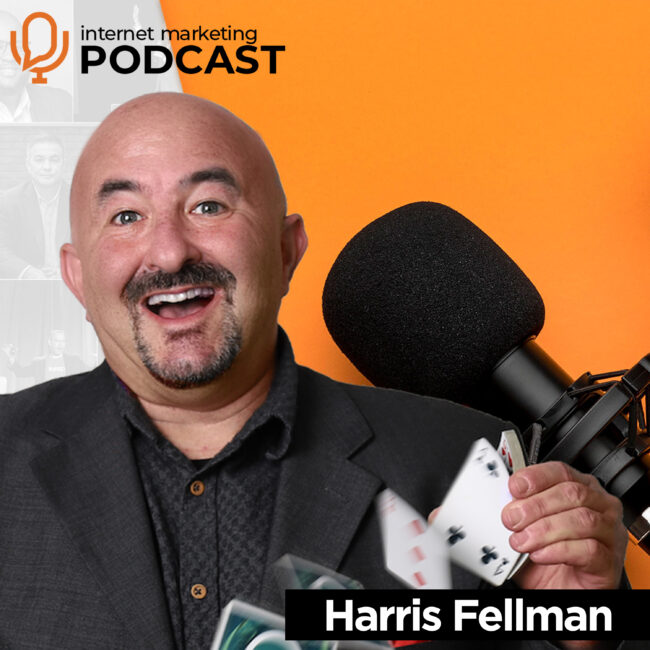
Episode 168
Harris Fellman
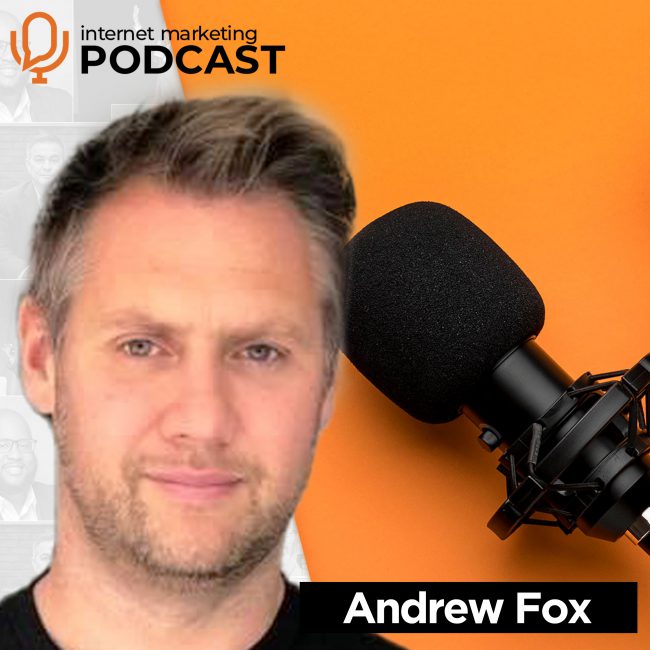
Episode 127
Andrew Fox Interview
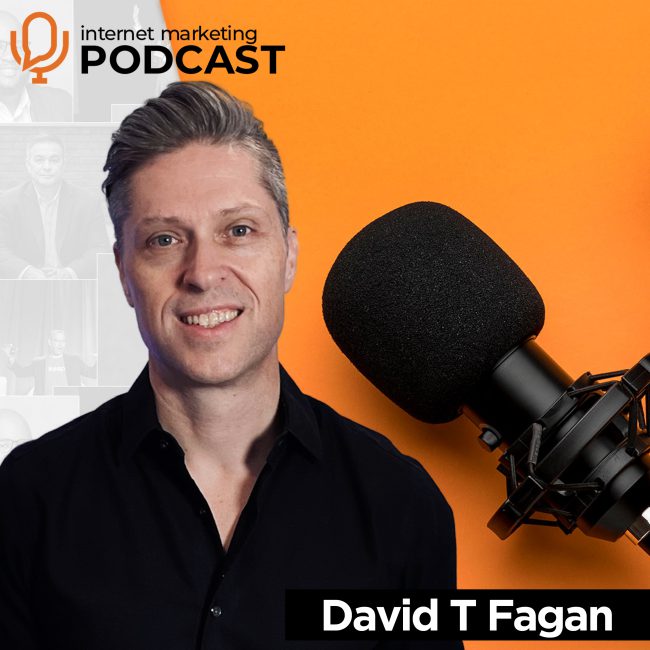
Episode 156